

MUSC News + Emergency and Trauma
Injuries left him so altered he didn’t want to leave house. Rare type of surgery changed...
Trauma-informed advocacy and wrap-around support for young people affected by community violence.

The MUSC Health Turning the Tide Violence Intervention Program (TTVIP) is a hospital-based, trauma-informed violence intervention program that provides assessment, advocacy, wrap-around services, and long-term follow-up to patients — primarily ages 12 to 30 — who have experienced violent injuries or are at risk of violence, and to their families, at MUSC Health’s Level I Trauma Center in Charleston, South Carolina.
TTVIP is built on a public health model that recognizes violence as a preventable condition with complex interpersonal, social, economic, and environmental root causes. The program is a member of The Health Alliance for Violence Interventions (HAVI), a national network of hospital-based intervention programs. TTVIP patient advocates meet patients at their bedside, assess risk factors and goals, and develop individualized plans that address physical, social, and mental health recovery needs.
In addition to direct patient services, TTVIP partners with community agencies, schools, employment programs, law enforcement, and mental health providers to support violence deterrence and intervention across the Charleston tri-county area and the surrounding Lowcountry. The program focuses on connecting patients and families with resources that strengthen support networks and address the social determinants of health that contribute to cycles of violence.
TTVIP provides comprehensive support to individuals at risk of violence and to victims of violent injuries. Services span assessment, advocacy, connection to resources, and sustained follow-up — recognizing that recovery from violent injury requires more than medical treatment alone.
MUSC Health TTVIP patient advocates engage with at-risk and injured patients directly at their bedside during their hospital stay. Advocates assess each patient’s individual risk factors and goals and establish a care plan that supports physical, social, and mental health recovery. After discharge, TTVIP connects patients and their families with MUSC Health and community resources — strengthening support networks, improving social, education, and employment outcomes, and working to prevent repeat violence. The program also partners with community groups and law enforcement to promote violence-deterrence strategies in neighborhoods experiencing high rates of community violence.
TTVIP works closely with both MUSC Health programs and local community agencies to provide comprehensive, coordinated care. Within MUSC Health, we partner with the MUSC Advocacy Program (MAP), the Trauma Resilience and Recovery Program (TRRP), the MUSC National Crime Victims Center (NCVC), and MUSC’s Level I adult and pediatric trauma centers.
In the community, TTVIP partners with criminal justice victim advocates; school systems and education programs; employment programs; arts and recreation programs; food and housing non-profits; family counseling services; mental health and substance-use programs; and local law enforcement agencies.



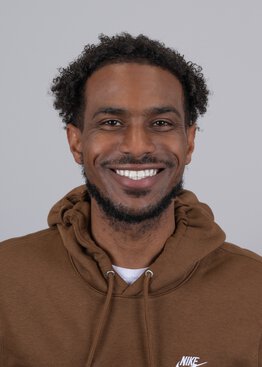





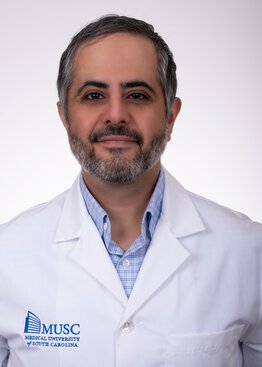
Christian Streck, M.D., serves as Chief of Pediatric Surgery and a professor of surgery and pediatrics. His clinical interests include minimally invasive surgery for a variety of conditions of the chest, abdomen, and pelvis. His specific interests include cancer, inflammatory bowel disease, pectus excavatum, trauma, appendicitis, and ovarian masses. Dr. Streck's research interests include pediatric trauma and minimally invasive surgery.
Dr. Streck also serves the Department of Surgery as the Vice Chair of Education.. Before assuming the Vice Chair role in 2023, he led the General Surgery Residency Program as Program Director for eight years.
He graduated from Duke University in 1994 with a BS in biology and an AB in history. He received his medical degree from the Wake Forest University School of Medicine, completed general surgery residency in Memphis, Tennessee, which included a research fellowship studying children's cancer at St. Jude Children's Research Hospital. He then completed pediatric surgery fellowship at LeBonhuer Children's Hospital in Memphis in 2008.

Medical School: Wright State University
Residency: University of Tennessee Health Science Center
Fellowship: MUSC
Additional Training: Master of Public Health, MUSC
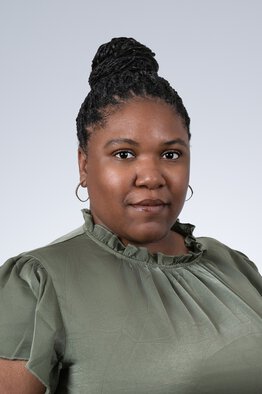
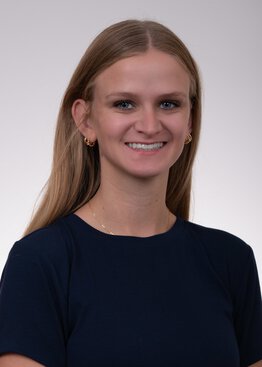
Dr. Betsy Oddo earned her MD from Wright State University and then completed her residency training in Pediatrics at The University of Tennessee Health Science Center in Memphis, TN. She then completed a fellowship in Pediatric Hospital Medicine at The Medical University of South Carolina, during which time she earned her Masters in Public Health. She is now a pediatric hospitalist at MUSC Shawn Jenkin's Children's Hospital, and Associate Program Director of the Pediatric Hospital Medicine fellowship program. Dr. Oddo's academic interests include child health advocacy and gun violence prevention. Her research has focused on the mental health consequences of pediatric firearm injuries and on educating families and pediatric trainees on safe firearm storage.

The following links open PDF files unless otherwise noted.
TTVIP is MUSC Health’s hospital-based violence intervention program providing advocacy, assessment, and wrap-around services to patients ages 12 to 30 who have experienced violent injuries or are at risk of violence. The program is based at MUSC Health’s Level I Trauma Center in Charleston and serves patients throughout the Lowcountry.
TTVIP primarily serves patients between the ages of 12 and 30 who have experienced interpersonal or community violence, as well as their families. The program also supports high-risk youth referred from MUSC’s Pediatric Primary Care Clinic and other patients in need of assistance. TTVIP focuses on the Charleston tri-county area, with community partnerships across the Lowcountry.
TTVIP patient advocates connect with at-risk and injured patients directly at their bedside during their hospital stay at MUSC Health. A referral from a care team member is the most common pathway. Patients or family members can also ask their nurse or physician to connect them with a TTVIP advocate. After discharge, TTVIP maintains contact and provides ongoing follow-up support.
TTVIP accepts donations through the MUSC Health giving portal. Visit fundraise.musc.edu/give/384392 and select “MUSC Violence Prevention Program” in the drop-down menu. Your support helps provide advocacy, resources, and long-term follow-up for violently injured patients and their families.
TTVIP is based at MUSC Health’s main campus in Charleston and primarily serves patients treated at MUSC Health’s Level I Trauma Center. The program’s community partnerships extend across the Lowcountry, including the Charleston tri-county area.